
Pipe Repair in Palm Bay FL
Pipe work ranges from a single fitting replacement to rerouting an entire run. What separates them is whether the failure is an isolated event or the first of a series.
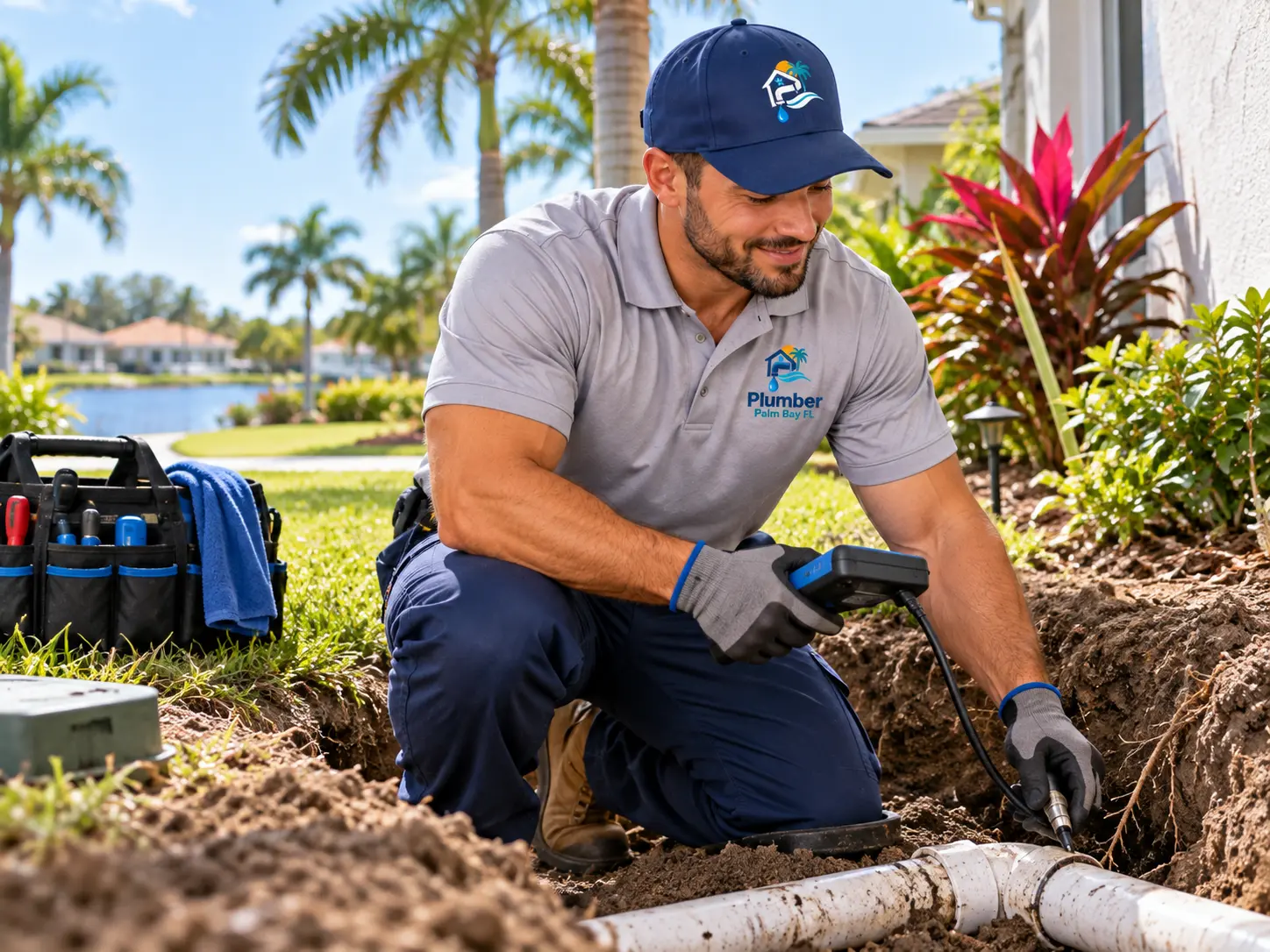
Supply pipes fail from corrosion, mechanical damage, poor original installation, or sustained high pressure. Drain pipes fail from age, root intrusion, ground movement and joint separation. The repair method follows the material and the location more than the symptom.
The most useful question at the start is not how to patch the leak. It is whether this pipe is likely to leak again somewhere else, because the answer decides between a repair and a reroute.
Common pipe failures
- Pinhole leaks in copper, often from water chemistry, high velocity or stray current
- Split lines from freezing, physical impact, or a fastener driven through a wall
- Joint failures where a soldered, glued or crimped connection was marginal from the start
- Corroded galvanized steel in older systems, narrowing internally until flow suffers
- Cracked or separated drain lines from ground settling or root pressure
- Slab leaks in supply lines routed under concrete
Materials found in Palm Bay homes
Copper remains common in supply piping and generally performs well, though it is susceptible to pinholes where water chemistry or velocity works against it. CPVC appears widely in Florida construction and is durable but becomes brittle with age and UV exposure, so fittings can fail during unrelated work nearby.
PEX is standard in newer construction and reroutes, valued for flexibility, freeze tolerance and fewer joints. Drain and vent systems are typically PVC, with cast iron present in older homes where it may be corroding internally. Galvanized supply lines still exist in the oldest housing stock and are usually candidates for replacement rather than repair.
Repair methods
A spot repair removes the damaged section and installs new pipe with proper fittings. This is the right approach for a discrete failure — impact damage, a single bad joint, a nail through a line — in piping that is otherwise in good condition.
Rerouting abandons a problem section and runs new pipe on a better path, most commonly through walls or the attic rather than back under a slab. It costs more than a spot repair but eliminates the failure-prone run instead of renewing three feet of it.
Repiping replaces the supply system for the whole home or a major portion of it. It is a large project, and it becomes the rational choice when leaks are recurring, when the existing material is at the end of its usable life, or when pressure and water quality problems are systemwide.
When to stop repairing and start replacing
One leak is an event. Two leaks in the same run within a year is a pattern, and repairing the second one usually means paying to open a wall for the third. Water chemistry and installation conditions apply to the entire run, not just the spot that failed first.
Other signals include visible green or white corrosion at multiple joints, discolored water that clears after running for a while, and a steady decline in pressure across the house. Where these show up together, the useful conversation is about scope and sequencing rather than another patch.
What to do while waiting on a repair
- Shut the water off at the nearest stop, or the main if the leak is not at a fixture
- Move belongings out of the affected area and contain water where you can
- Photograph the leak and the damage before anything is opened or dried
- Leave wet cabinets and closets open so air can move through them
- Do not run a repaired line under pressure before it has been tested
What this work usually costs
Access dominates pipe repair pricing. An exposed line in a garage or crawl area is the least expensive case. Pipe inside a finished wall, under a slab, or buried in a yard costs more because reaching it and restoring the surface is most of the work. Rerouting and repiping are priced by run length, fixture count and finish work.
The plumbing cost guide breaks down the variables in detail, and the cost calculator turns them into a planning range you can budget against.
Related plumbing services
Where this service is available
Palm Bay is the primary service market, along with these nearby Brevard County communities:
Pipe Repair questions
What should I do if a pipe starts leaking?
Shut the water off first — at the fixture stop if the leak is at a fixture, at the main valve if it is anywhere else. Then remove what you can from the area and contain the water with towels or a container. Take photographs before anything is moved or dried, since documentation matters if an insurance claim follows. Do not use tape or epoxy as anything more than a very short-term measure; those patches hold under low pressure at best and tend to fail without warning. Leave the water off until the repair is complete rather than turning it back on to use a fixture.
Why do copper pipes get pinhole leaks?
Pinholes come from corrosion attacking the pipe wall from inside. Contributing factors include water chemistry, high flow velocity that erodes the protective interior layer — often the result of undersized pipe or excessive system pressure — and stray electrical current where bonding is inadequate. Because all of those conditions affect an entire run rather than one spot, pinholes tend to appear in groups over time. The first one is a repair. When a second appears in the same line, rerouting or replacing that run is usually the better spend.
Is repiping a whole house worth it?
It depends on the failure pattern rather than the age of the home. Repiping makes sense when leaks are recurring in multiple locations, when the existing material is at the end of its practical life, or when systemwide pressure and water quality problems trace back to the piping itself. It is a significant project involving wall access and restoration. Where a single failure has occurred in otherwise sound piping, it is not warranted — a targeted repair is the appropriate response, and a diagnosis of overall condition should come before any decision that large.
Can pipe leaks damage a slab foundation?
Persistent leaks under or near a slab can affect the soil beneath it, and soil movement is what causes foundation problems rather than the water itself. In Florida's sandy soils, water escaping under pressure can carry fines away and create voids over time. That is a slow process, not an overnight one, but it is a real reason not to leave a known slab leak running while deciding what to do. Locating it promptly and either repairing or rerouting the line addresses both the water loss and the ground condition around it.
Need Plumbing Help in Palm Bay?
Describe what is happening and get help scheduling the right plumbing service for your home.